

What is neurofeedback?
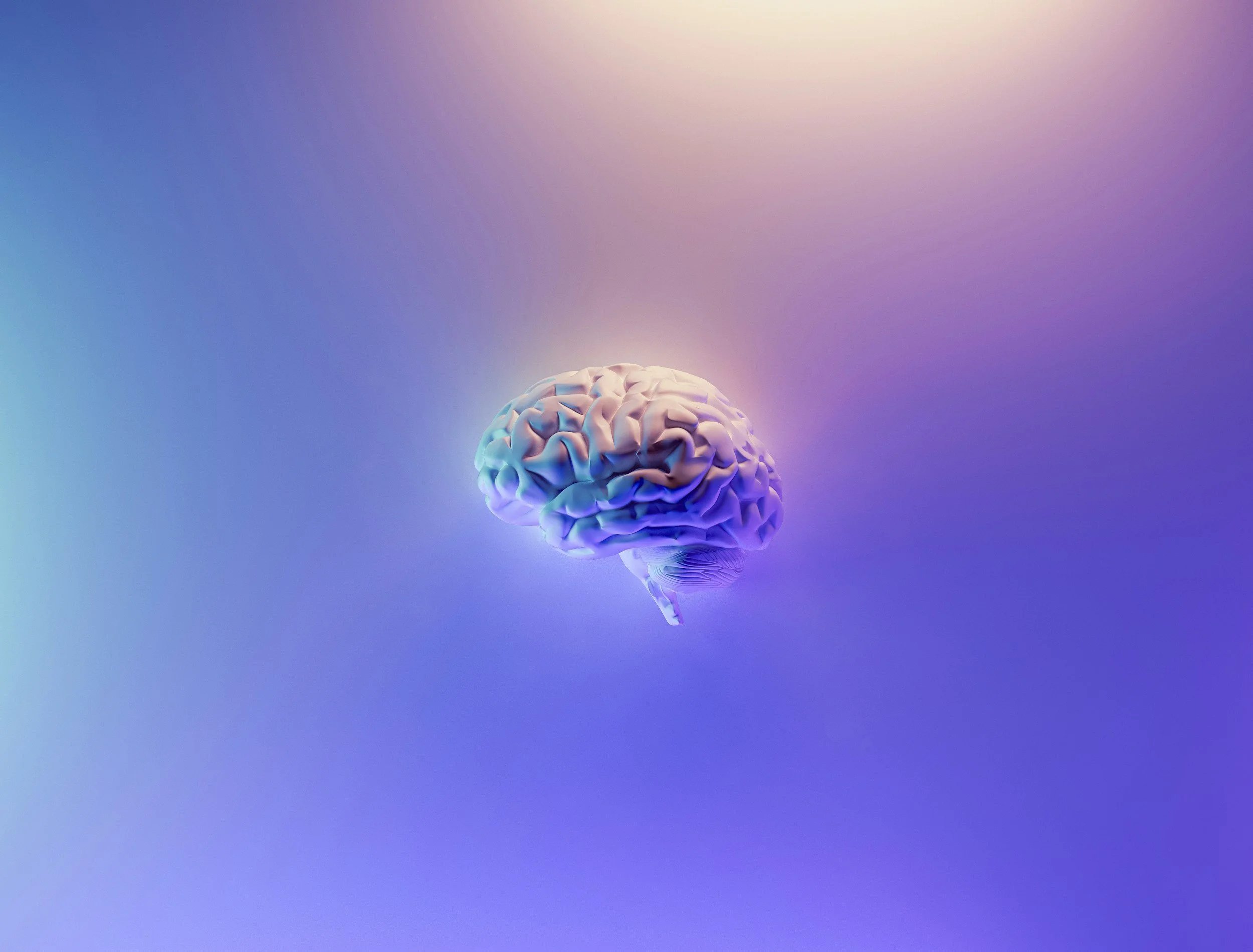
Neurofeedback is a guided exercise for the brain that retrains dysregulated brainwave patterns into healthier, more efficient ones, helping the brain function more optimally.
The brain communicates through electrical signals called brainwaves, which vary in speed depending on what you’re doing. Decades of research show there are “ideal” patterns for different states. For example, slower waves support sleep, while faster waves support focus and attention.
When these patterns become dysregulated, the brain may not shift into the right state at the right time, leading to challenges with focus, sleep, mood, and behavior. For instance, in ADHD, the brain may produce slower “sleep-like” waves when focus is needed, making everyday tasks more difficult.
Neurofeedback helps retrain these patterns naturally. It’s a non-invasive, drug-free approach used to support concerns like ADHD, anxiety, insomnia, migraines, autism, and more.
Anxiety Disorders
ADHD / ADD
Depression
Migraines
Insomnia
Tension Headaches
Fibromyalgia
PTSD
Emotional well-being
Autism Spectrum Disorders
Peak Performance
Post-Stroke
Social Integration
Sensory Integration
And so much more!
Can it help me?
This is only a partial listing of the many health problems that are rooted in neurological dysregulation. Neurofeedback can help the brain function better, reducing these negative symptoms! Unlike the medications often used to treat these and other brain-based conditions, neurofeedback therapy does not produce any unwanted side effects. The American Academy of Pediatrics has rated neurofeedback as a Level 1 for ADHD & Anxiety!
How does neurofeedback work and is it effective?
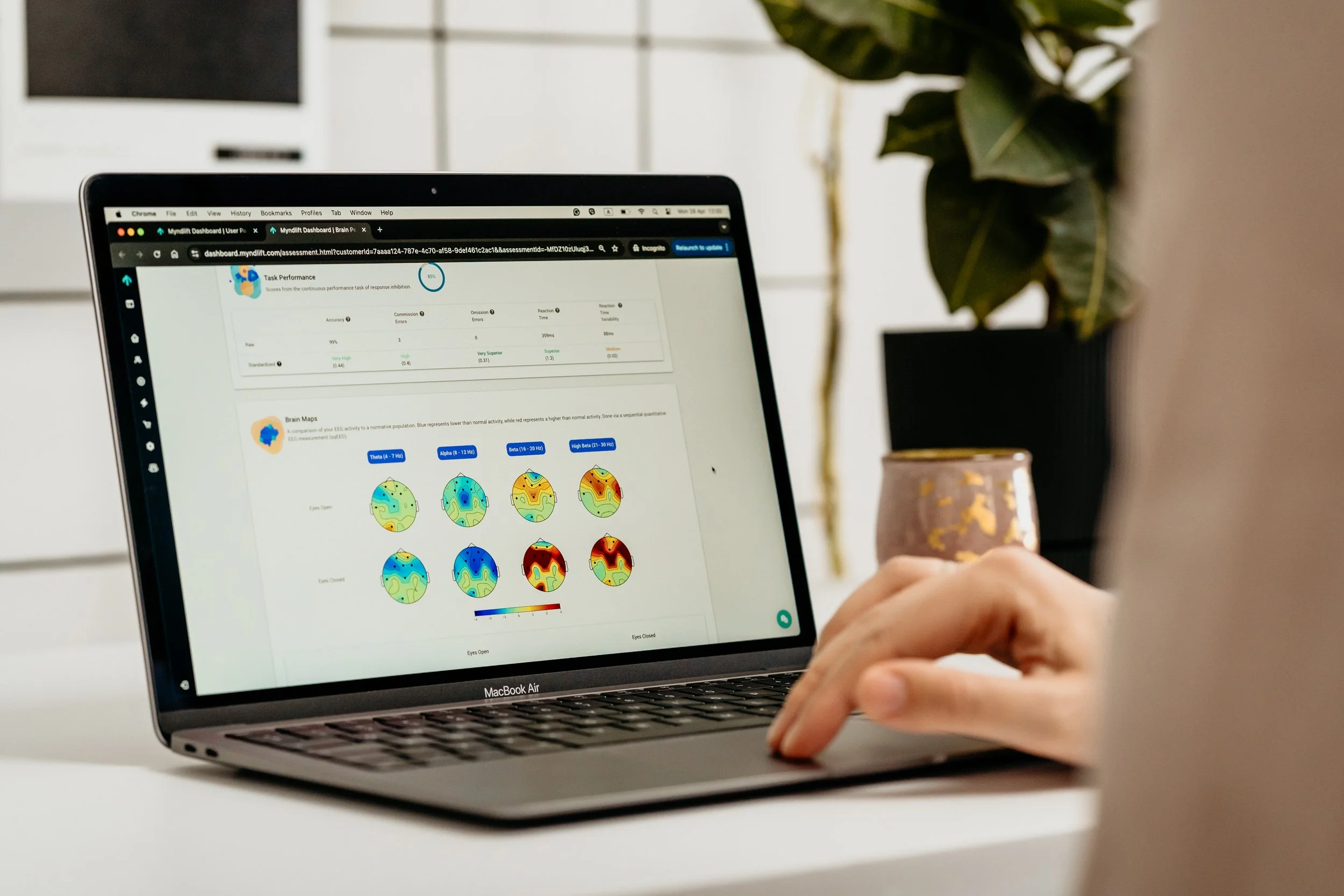
Neurofeedback retrains the brain using real-time feedback. The process begins with a quantitative EEG, or “brain map,” which identifies areas of dysregulation and guides a personalized treatment plan.
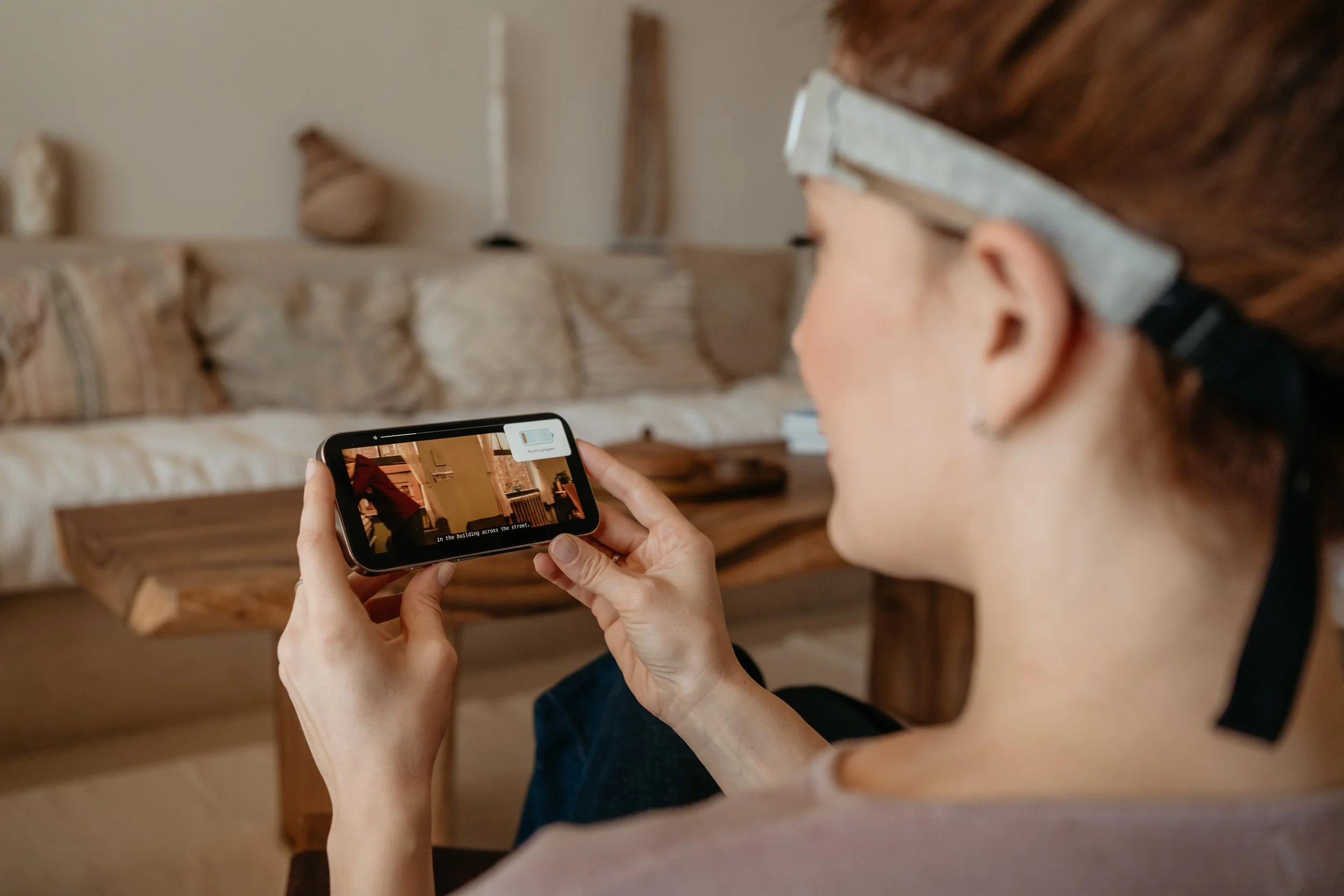
During sessions, sensors are placed on the scalp to measure brainwave activity—no electricity is sent into the brain. This data is read by software that detects when the brain is functioning more optimally and provides immediate feedback through visual and auditory cues, while watching a movie, or show. Over time, the brain learns to self-correct and regulate more effectively.
Neurofeedback offers a natural, non-invasive alternative to medication for many brain-based concerns. While medications like Sertraline, Fluoxetine, Ritalin, and Adderall can be helpful, they may also come with side effects such as appetite changes, irritability, anxiety, or emotional blunting, to name a few.
Neurofeedback, by contrast, works by training the brain itself and is widely used to support concerns like ADHD, anxiety, and more—without known side effects.
What’s the process?
It’s as easy as 1, 2, 3!
-
They will ask what symptoms or concerns you may have and what you would like to achieve through neurofeedback.
If our staff thinks you would be a good candidate for neurofeedback, you will decided on hardware and program that fits you best.
-
Once our staff has chosen headband and program decided, your headband will be shipped to your mailing address provided. You will alert our staff when your headband is received. You will be instructed to charge it completely before starting any assessments (all maps and assessments are administered through the headband, supported by the software app).
We start with a quantitative EEG analysis (qEEG), also referred to as a brain map, which provides a comprehensive assessment of your brainwave patterns. This analysis, along with your personal description of your symptoms, is then compared to a database of 50,000 optimal brain maps. This information helps form the basis of your individualized treatment plan.
Brainwaves form the communication system inside your brain. If they are not functioning properly then it is likely you will experience unwanted symptoms. QEEG looks for dysregulation in the Delta/Theta, Alpha, and Beta brainwaves.
-
The easiest step of them all; You start on your customized neurofeedback training plan! Our staff decide a protocol for your brain pattern, put on the headband and train. It really is that easy!